Waxhaw Living
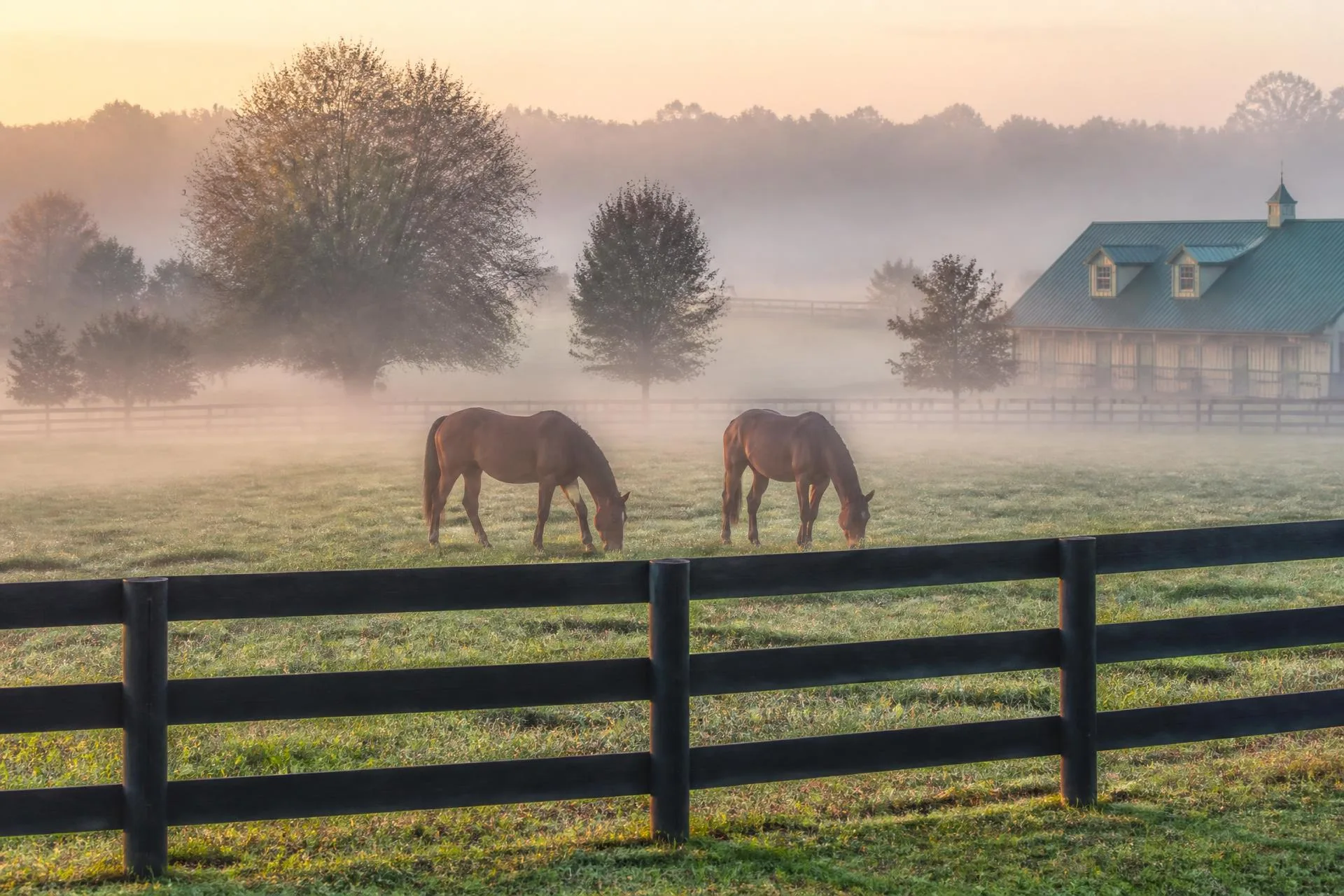
Horse property near Waxhaw.

Equestrian

Horse property near Waxhaw.

Where acreage, zoning and covenants actually allow horses — and the questions to settle before buying land for a barn.

Southern Union County still has working farmland, pasture and wooded acreage, but horse property here is found parcel by parcel, not in a single equestrian district.

The best opportunities are on larger tracts outside the denser subdivisions — in Mineral Springs, the rural edges of Waxhaw's extraterritorial area, parts of Marvin, and unincorporated Union County toward Unionville and the South Carolina line. Our Mineral Springs guide and acreage neighborhood ranking are the best starting points.

Much of the remaining acreage in Marvin is covered in more detail by a separate local resource on Marvin, NC real estate and community life.

Before You Buy

Four things that decide a horse property.

Zoning comes first

Whether horses are allowed is set by the zoning district and minimum lot size of the specific parcel. Waxhaw, Marvin, Mineral Springs, Weddington, Wesley Chapel and unincorporated Union County each have their own ordinance, and the rules differ on acreage per animal, barn setbacks and manure management. Read the current ordinance for the jurisdiction shown on the parcel record before you assume a large lot permits livestock.
Then the covenants

Recorded HOA covenants can prohibit horses even where zoning would allow them. Many of the corridor's best-known estate communities — including Providence Downs South in Waxhaw — do not allow horses, despite large lots and rural settings. Never rely on a community's name or appearance; read the restrictions recorded against the lot.

Usable acreage, not total acreage

Floodplain along Twelve Mile Creek, Cane Creek and their tributaries, wetlands, steep slopes, septic drain fields and required buffers all reduce the area that can actually be fenced and grazed. A five-acre parcel may support far less pasture than the number suggests. Ask for a survey and the county's floodplain layer.

Water, soil and hay

Most rural parcels in southern Union County are on private wells and septic systems. Confirm well yield is adequate for livestock, and expect the Piedmont's clay soils to need rotational grazing and sacrifice areas in wet months. The NC Cooperative Extension Union County Center offers pasture and soil guidance and soil testing information.

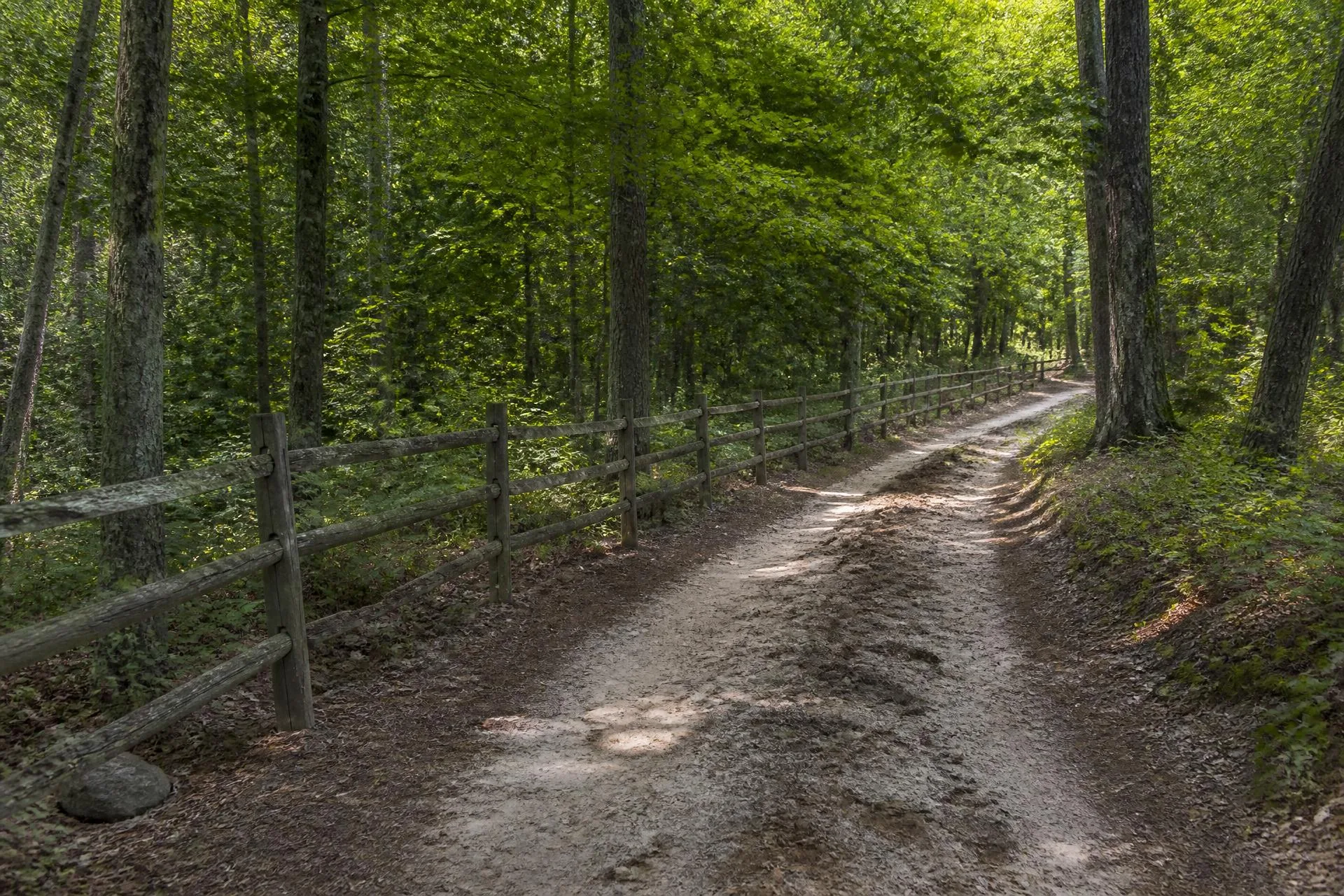
Illustration of a wooded riding path in the Carolina Piedmont

Building the Barn

Barns, fencing and permits.

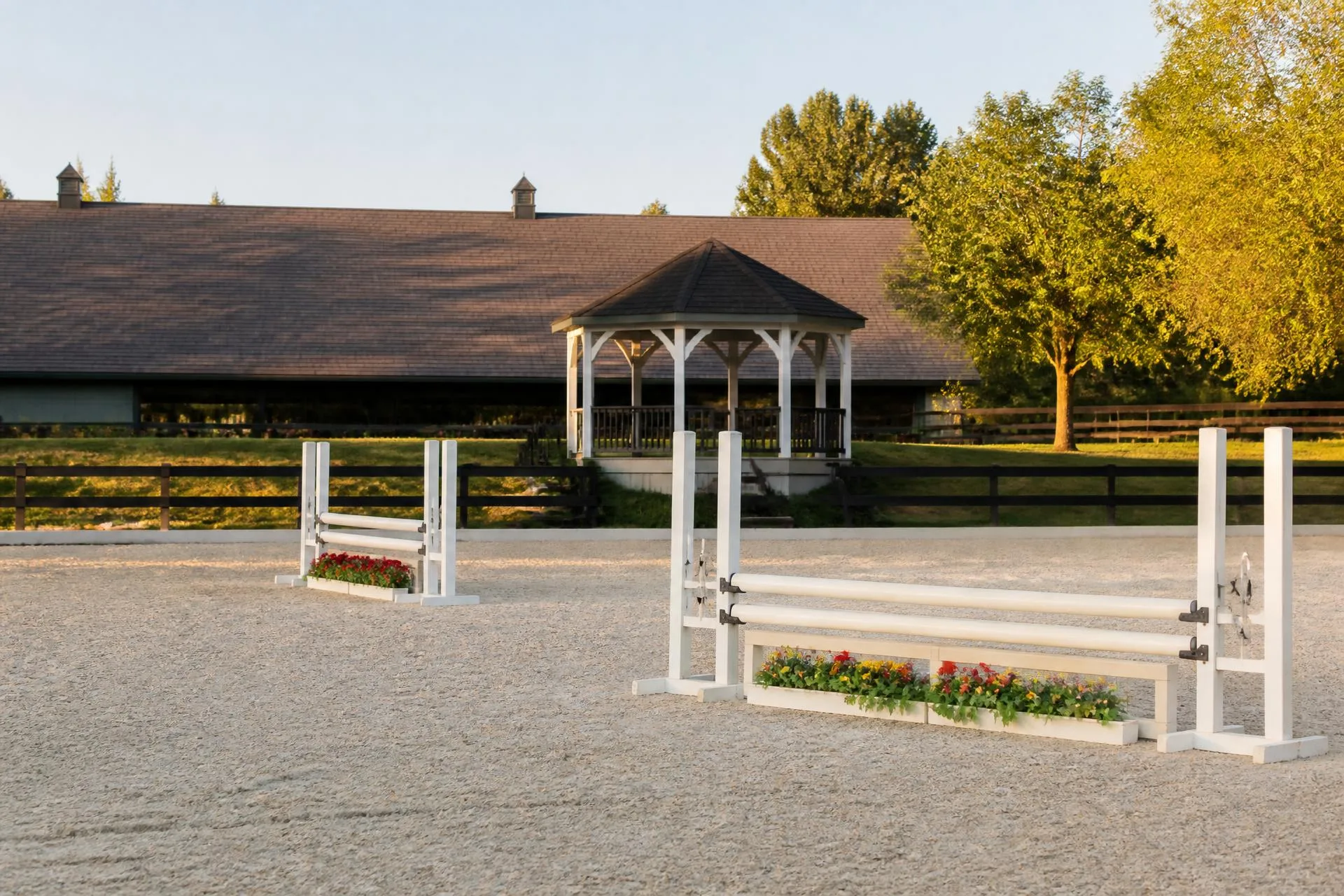
Barns, run-in sheds and arenas generally need building permits and must meet the setbacks in the local ordinance. Bona fide farms may qualify for North Carolina's agricultural exemptions from some county zoning rules, but eligibility depends on documented farm use — confirm with the county before relying on it.

  • · Site the barn on high, well-drained ground away from the well and septic field
  • · Plan electrical and water service to the barn with the house, not after
  • · Budget for perimeter and cross fencing, gates and a hardened all-weather drive
  • · Check whether the parcel is enrolled in present-use value taxation and what a change of use would trigger

Building a house and barn together is a custom-home project; see the custom homes guide and new construction guide.

Illustration of a fenced country lane in rural Union County

Read the zoning, then the covenants, then the survey — in that order.

Riding and Showing

Getting to the ring.

The Tryon International Equestrian Center in Mill Spring, North Carolina, which has hosted international competition including the 2018 FEI World Equestrian Games, is roughly a two-hour drive west of Waxhaw — close enough for regular trailering to weekend shows.

Closer to home, riders rely on private boarding and lesson barns scattered across Union County and northern Lancaster County, South Carolina. Their programs, disciplines and availability change often, so this guide does not rank them; visit in person and ask about turnout, footing, emergency veterinary coverage and contract terms.

Veterinary care for horses is largely provided by ambulatory equine practices that travel to farms. Before buying, confirm which practices serve the specific area and what their emergency coverage looks like.